Gazebo Sealing in Renton, WA
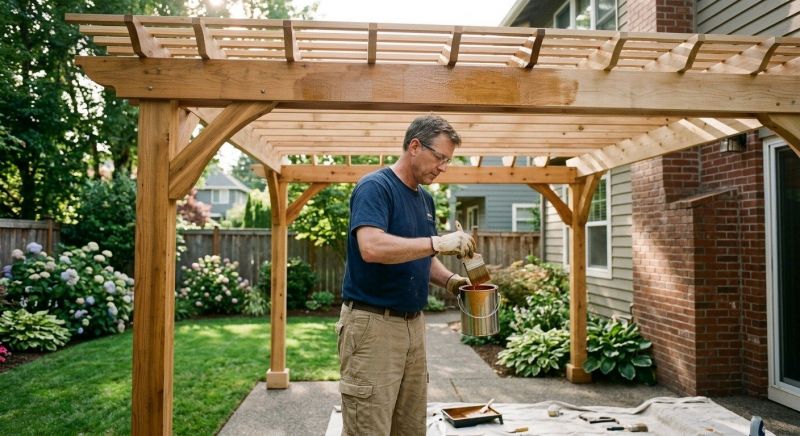
Gazebo sealing services involve applying protective coatings to the surfaces of outdoor gazebos to prevent water infiltration, weather damage, and deterioration over time. This service is suitable for various gazebo materials, including wood, vinyl, and metal, helping to extend the lifespan and maintain the appearance of the structure. Property owners often seek this service when their gazebo shows signs of leaks, wood rot, or weather-related wear, or as a preventative measure to preserve its condition through changing seasons.
Before requesting gazebo sealing, property owners typically want to understand the types of sealants used, the suitability for their specific gazebo material, and the expected benefits of sealing. It’s also helpful to know whether the service includes cleaning the surface beforehand, the duration of the sealing process, and how often reapplication might be needed to maintain optimal protection. Clarifying these details can ensure the sealing work meets the specific needs of the gazebo and the homeowner’s expectations.
Many property owners in Renton, WA look into Gazebo Sealing for repairs, replacements, upgrades, and appearance-related improvements.
Benefits Of Gazebo Sealing
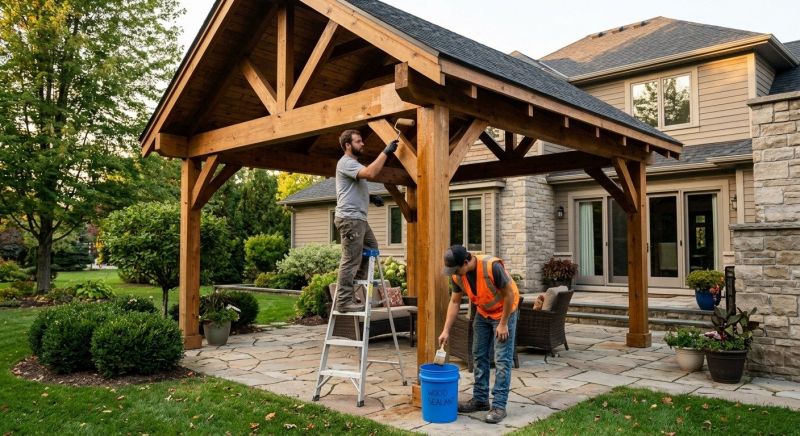
Sealing helps protect gazebos from water damage, mold, and wood rot, extending their lifespan.
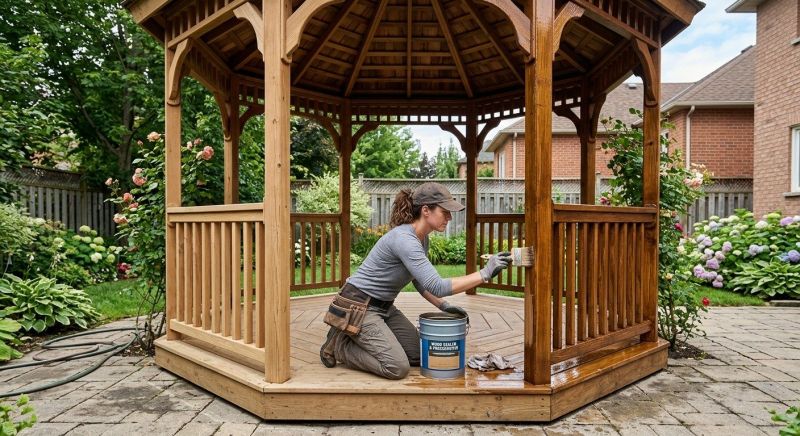
Common Sealing Materials
High-quality sealants and stains are used to ensure durability and weather resistance for outdoor gazebos.
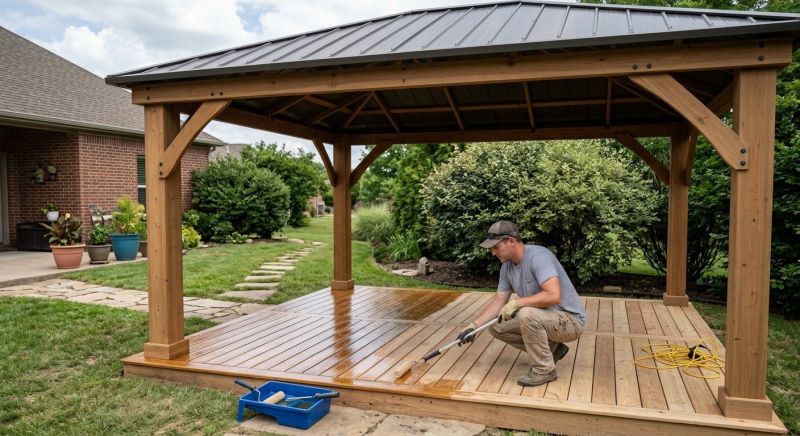
Maintenance Tips
Regular sealing and inspections can keep gazebos in top condition, especially in areas like renton, wa with varying weather conditions.
Gazebo Sealing in Renton, WA
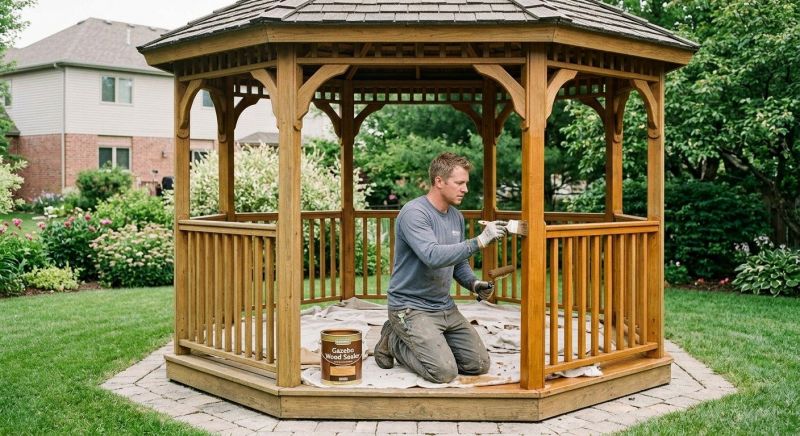
Gazebo sealing services involve applying protective coatings to the surfaces of outdoor gazebos to prevent water infiltration, weather damage, and deterioration over time. This service is suitable for various gazebo materials, including wood, vinyl, and metal, helping to extend the lifespan and maintain the appearance of the structure. Property owners often seek this service when their gazebo shows signs of leaks, wood rot, or weather-related wear, or as a preventative measure to preserve its condition through changing seasons.
Before requesting gazebo sealing, property owners typically want to understand the types of sealants used, the suitability for their specific gazebo material, and the expected benefits of sealing. It’s also helpful to know whether the service includes cleaning the surface beforehand, the duration of the sealing process, and how often reapplication might be needed to maintain optimal protection. Clarifying these details can ensure the sealing work meets the specific needs of the gazebo and the homeowner’s expectations.
Many property owners in Renton, WA look into Gazebo Sealing for repairs, replacements, upgrades, and appearance-related improvements.
Common Gazebo Sealing Jobs
Gazebo sealing - helps prevent water leaks and wind infiltration around the structure.
Roof sealing - ensures the gazebo roof remains watertight during heavy rain.
Joint sealing - seals gaps between panels to keep out moisture and pests.
Frame sealing - protects metal or wood frames from weather-related damage.
Surface sealing - preserves the appearance and extends the lifespan of gazebo surfaces.
Leak repair - addresses existing leaks to maintain gazebo integrity and safety.
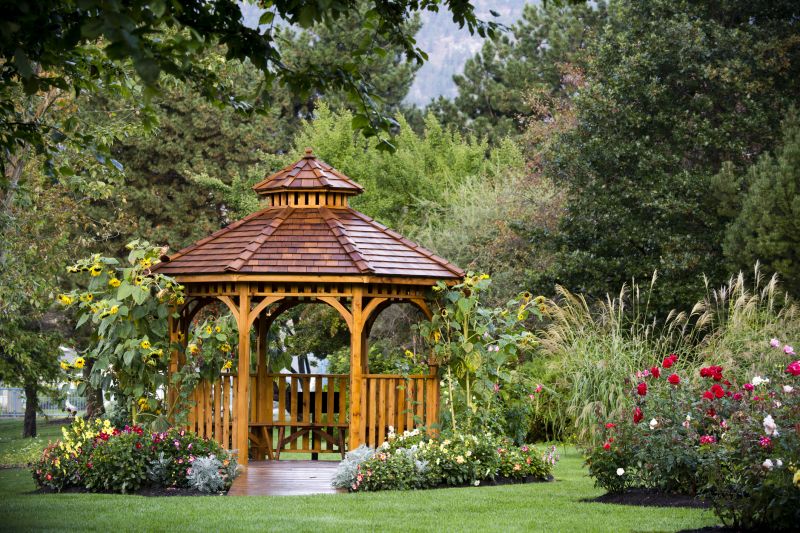
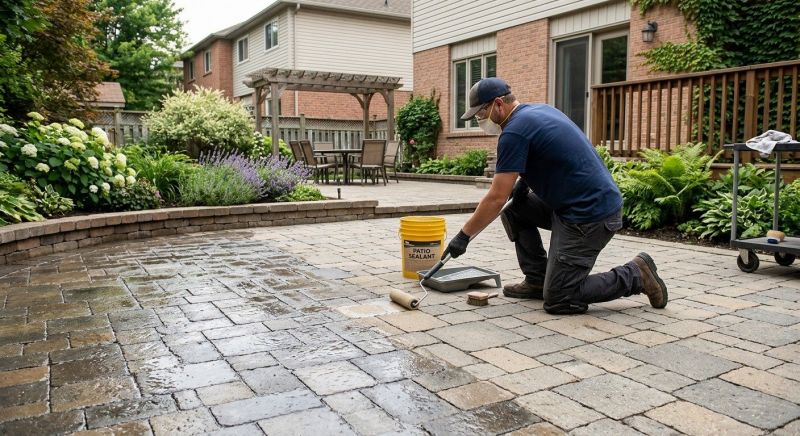
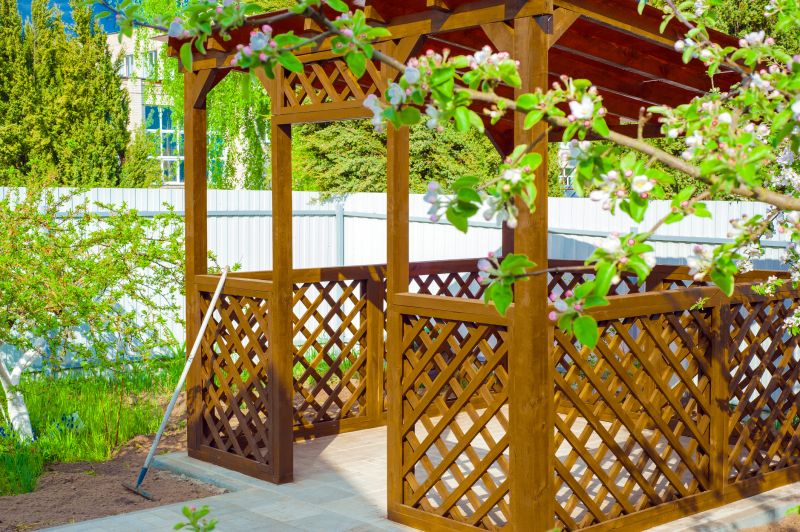
Gazebo Sealing Questions
What is gazebo sealing? Gazebo sealing involves applying protective materials to prevent water leaks and weather damage, helping to extend the lifespan of the structure.
Why is sealing important for a gazebo? Proper sealing helps prevent water intrusion, wood rot, and deterioration caused by exposure to rain and moisture.
What types of sealant are used for gazebos? Common sealants include waterproof coatings, sealant tapes, and weather-resistant paints designed for outdoor wood and materials.
Can sealing be done on any gazebo? Sealing is suitable for most gazebos, especially those made of wood or similar materials exposed to the elements.
Request Gazebo Sealing in Renton, WA
Use the quote form on this page to share the basics of your project and request more information for the type of work you need.